
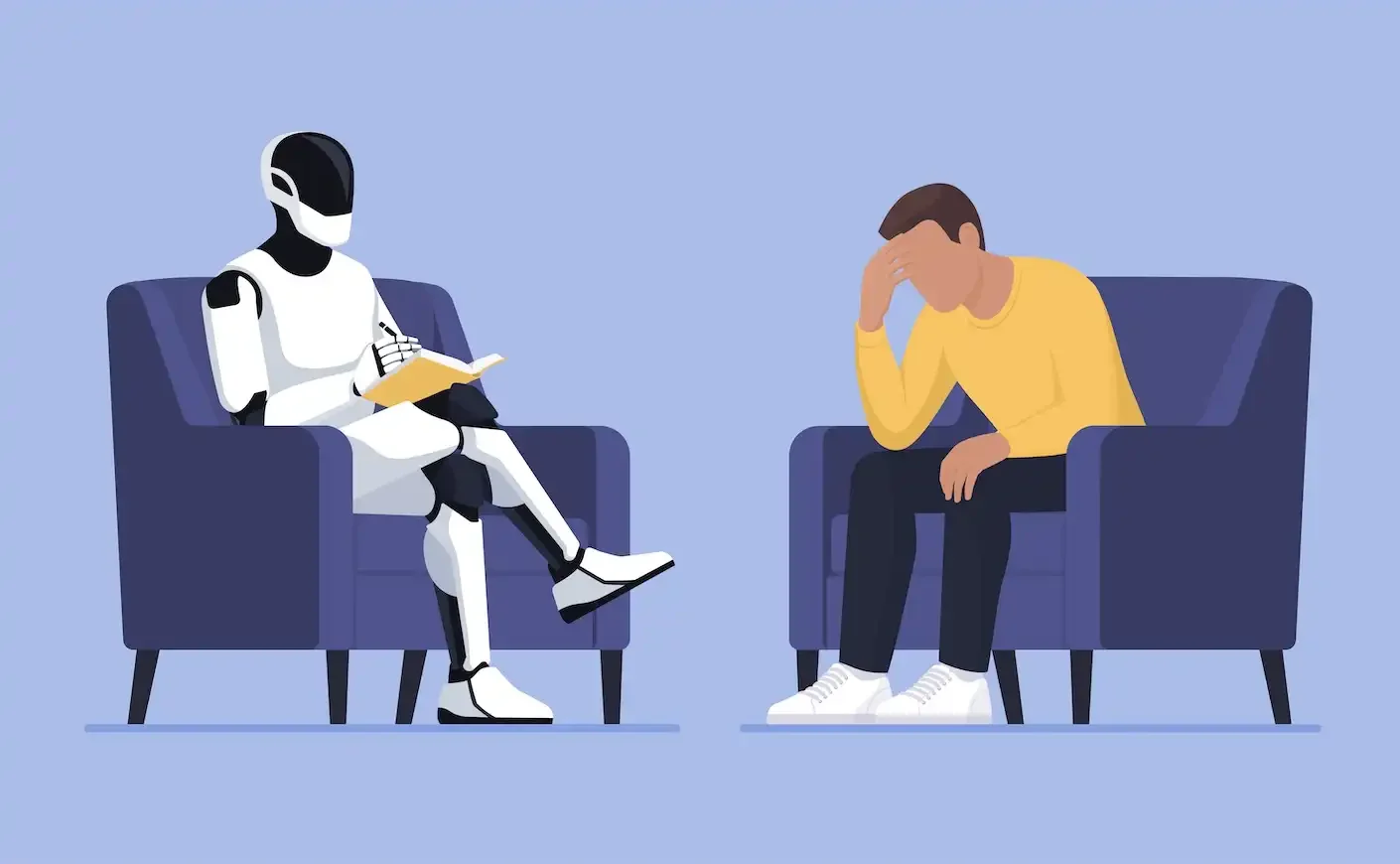
The Thought Police Didn’t Break In. You Invited Them for Tea.
George Orwell imagined the Thought Police kicking down your door, bursting into your apartment at 3 a.m., and dragging you away for thinking unapproved thoughts. Wrong vibe. Too loud. Too much paperwork. Turns out the future didn’t need violence. It needed good UX.
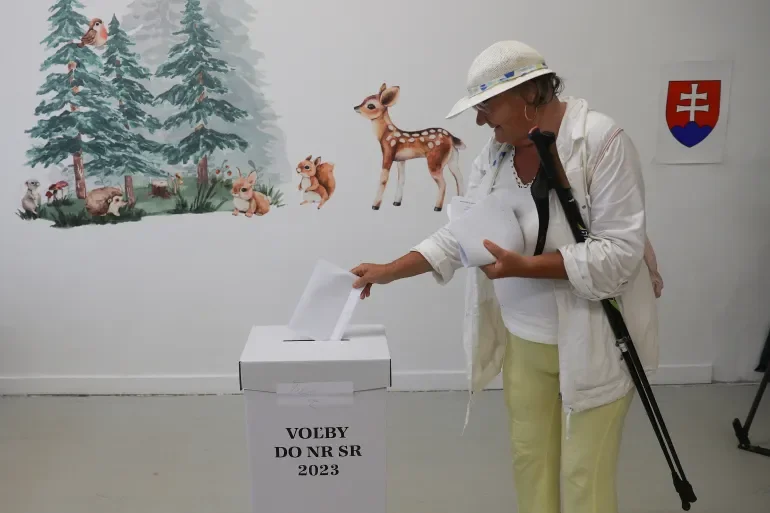
The Chalk Revolution: The Failure of Liberal Protest Against Proto-Authoritarian Regimes in the post-Cold War era
The Slovak model of liberalism hasn’t lived up to the image the protestors of 1989 had in mind. From right-wing populist party leaders playing dress up in Nazi uniforms to Fico dragging protesting students out of their schools, it is now clearer than ever that the curtains will come to a close. The only question is, what are we, the audience, to do when the curtains do come to a close?
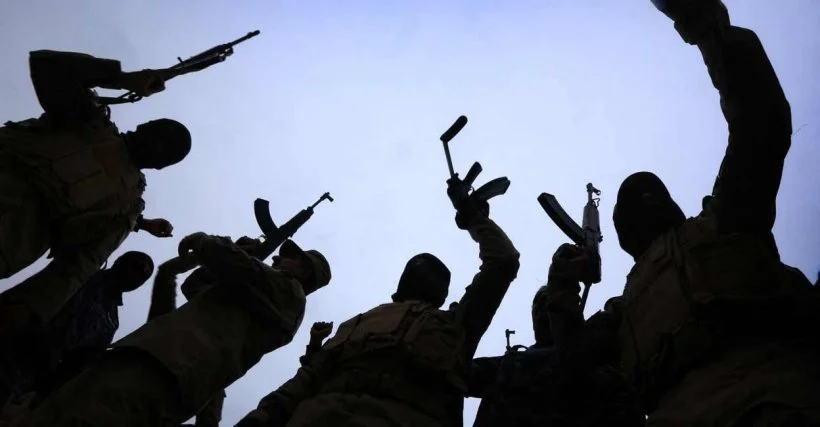
Self-Defence Against Non-State Actors After 9/11
Can states lawfully use force against non-state actors operating from another state’s territory? Since the September 11 attacks, this question has moved from doctrinal marginalia to the centre of international legal debate.
Traditionally, Article 51 of the United Nations Charter permitted self-defence only in response to armed attacks attributable to another state, subject to strict requirements of necessity, proportionality, and immediacy. Yet post-9/11 practice and Security Council responses have strained this inter-state framework, giving rise to the controversial “unwilling or unable” doctrine.

Hyper-reflexive-performative-self-constitution OR The Age of ‘Me me me’
We didn’t become narcissists by accident.
Liberalism put the individual at the center.
Capitalism turned that individual into a product.
Social media handed us a mirror that never turns off.
What looks like “self-love” is often insecurity on life support.
What sounds like “authenticity” is frequently performance.
And what we call freedom has quietly become the obligation to brand, optimize, heal, and display the self—endlessly.
From Marx to Lasch to Charles Taylor, the warning was there:
when shared meaning collapses, the self rushes in to fill the void. Today, the ego isn’t just inflated—it’s monetized.
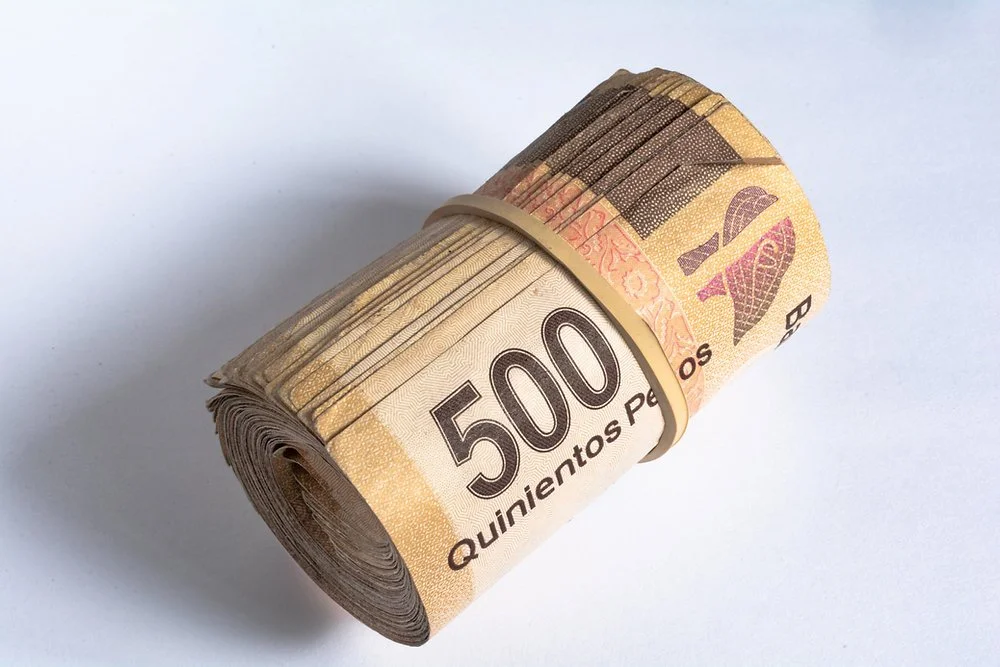
Your chance to win 100 trillion dollars at Vrije Universiteit
Joking about hyperinflation is one of the most common types of political humor. But here's the thing: Zimbabwe's hyperinflation wasn't comedy — it was a catastrophe.
In 2008, prices doubled every 24 hours. Families carried backpacks of cash for groceries. Parents buried children they couldn't afford to save. 94% lived below the poverty line. 3 million people fled.
Meanwhile, when Greece faced economic collapse, nobody handed out "worthless drachma" cheques as jokes. Why? Because European suffering gets sympathy. African suffering gets satire.
When you claim to care about decoloniality and global justice, why is someone else's trauma your reusable prop?